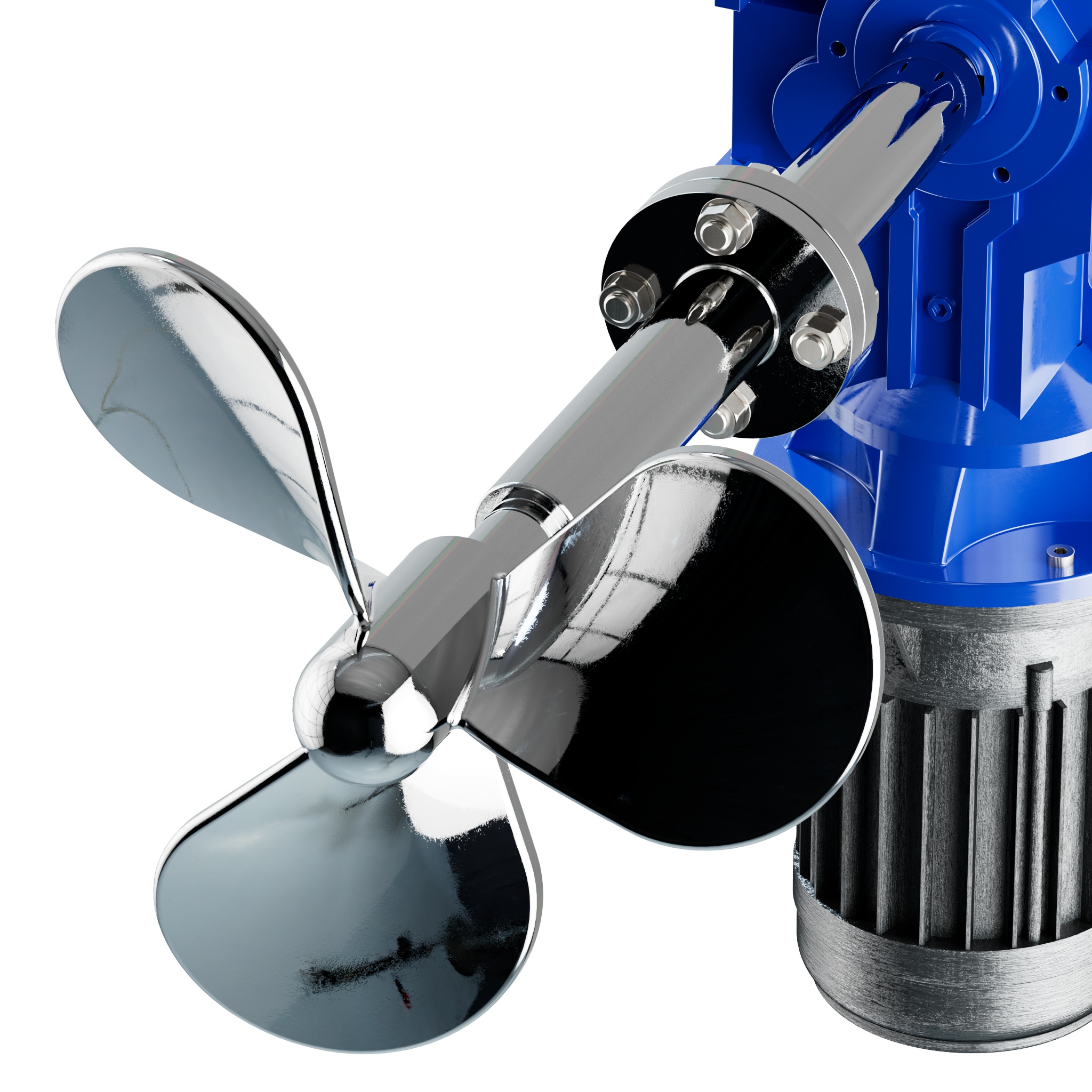
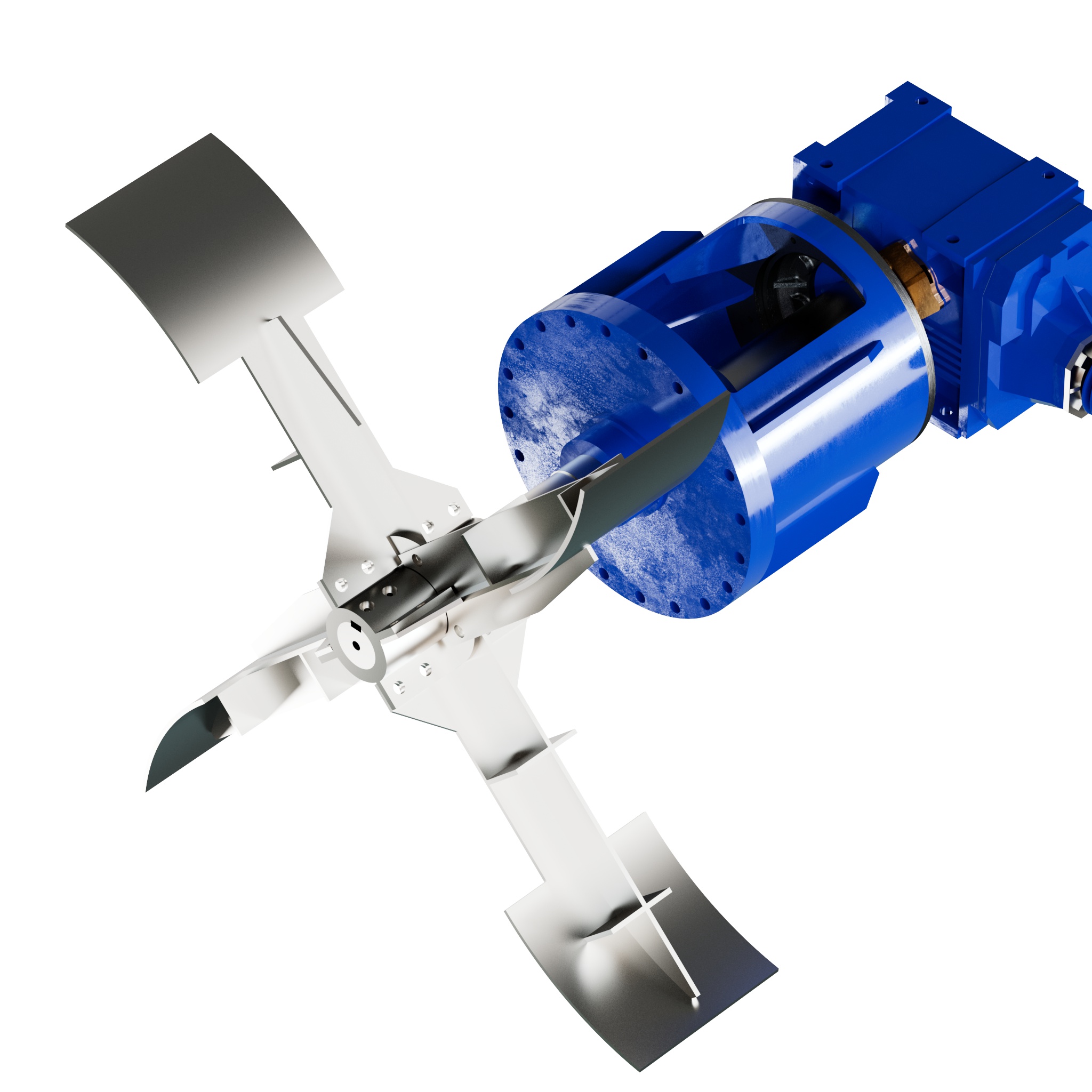
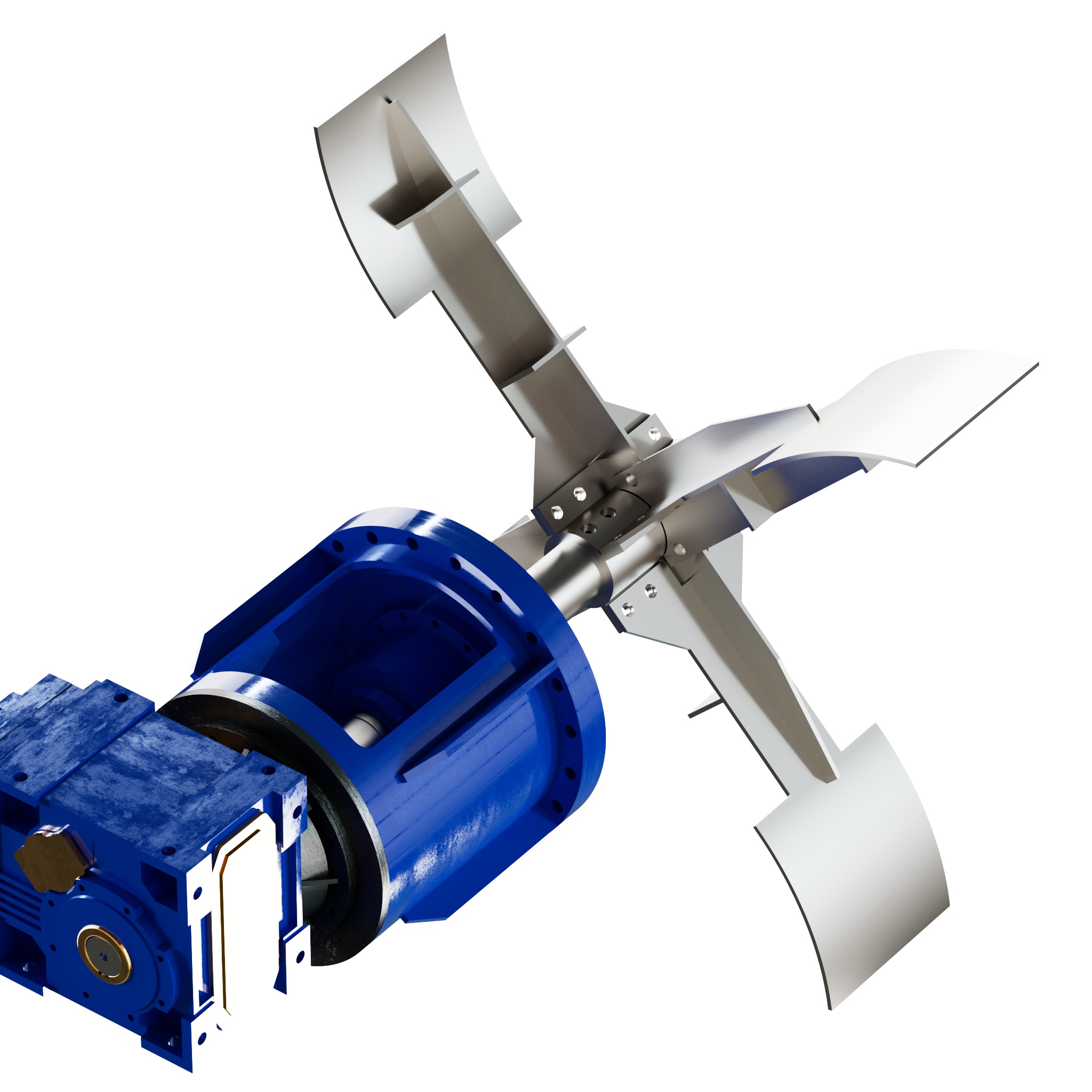
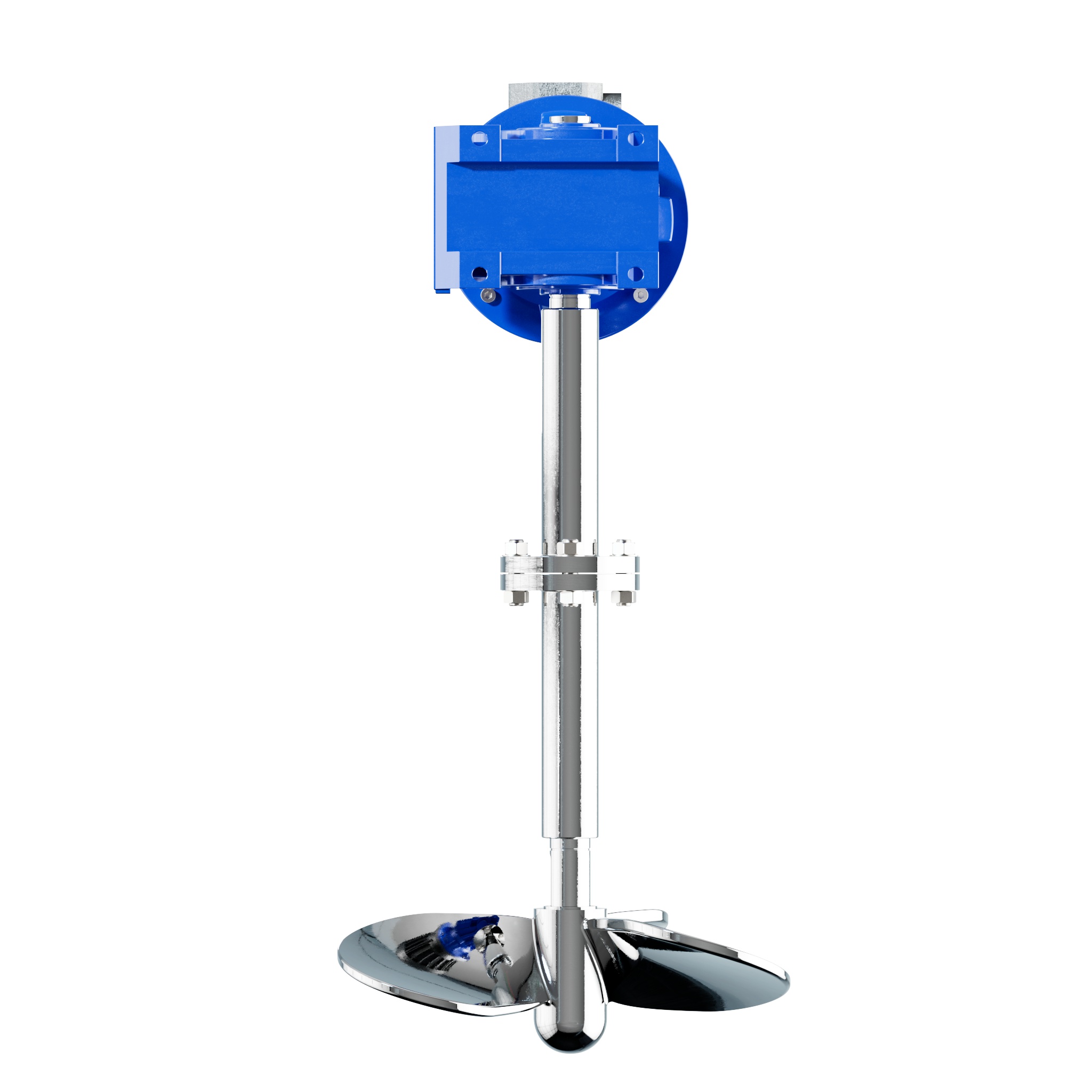
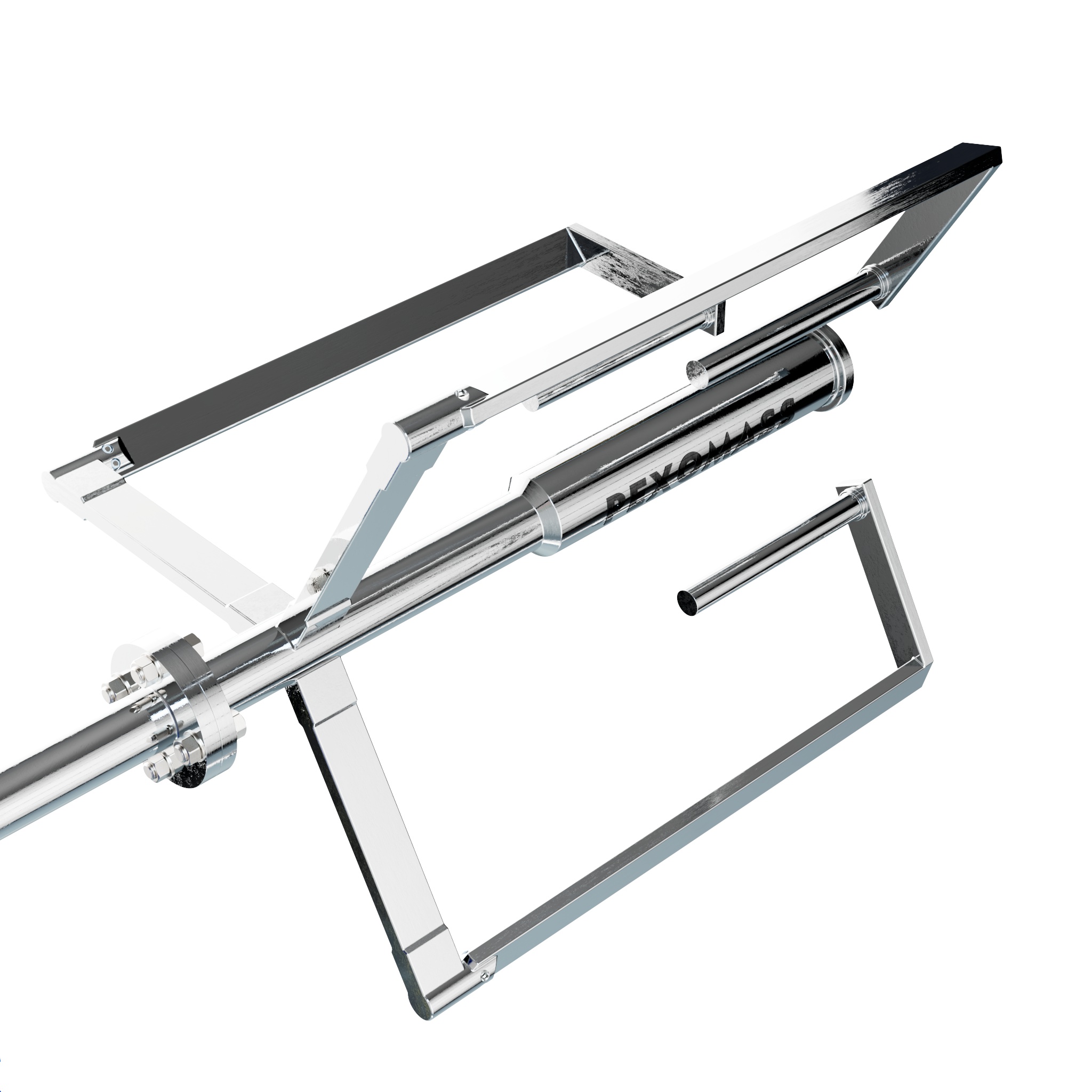
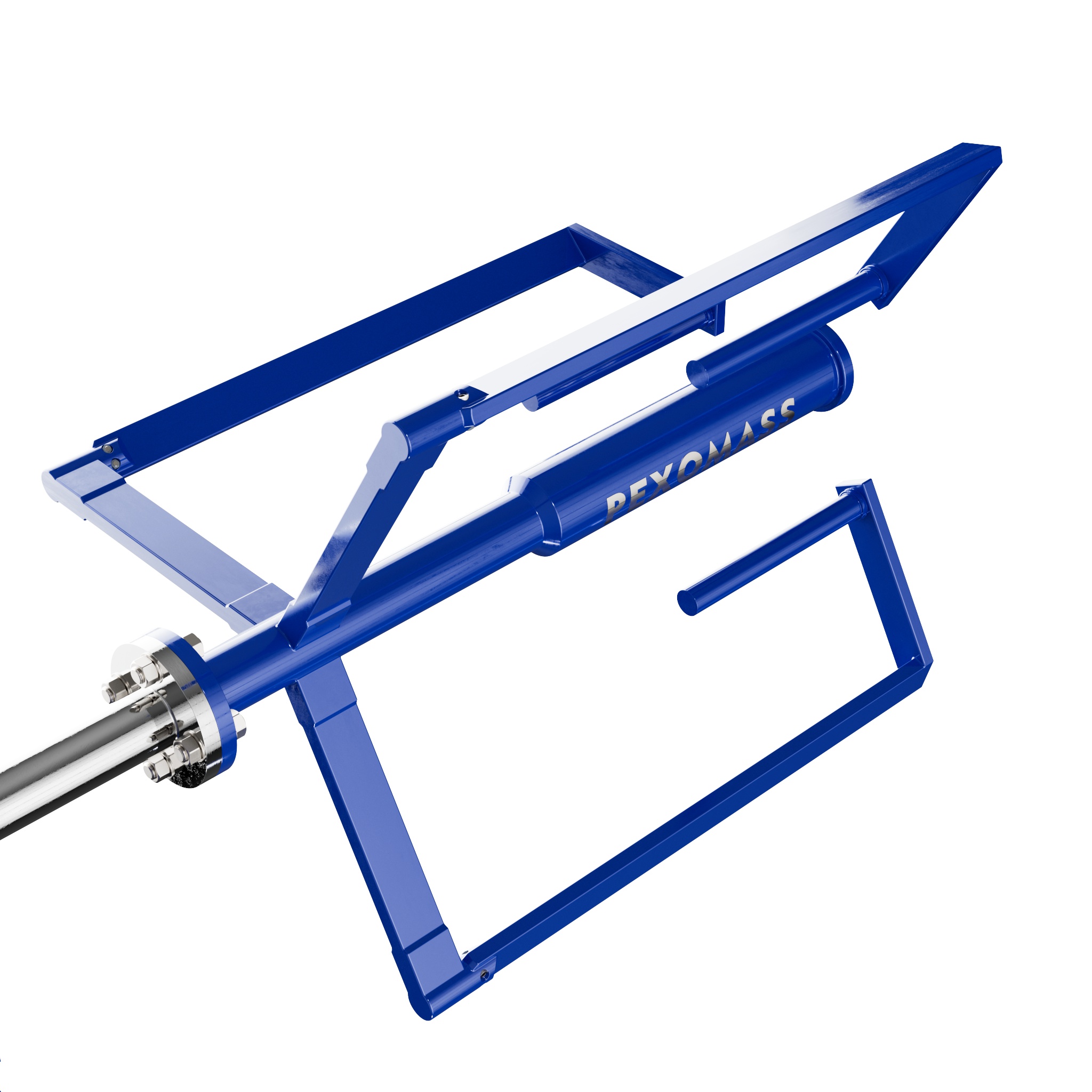
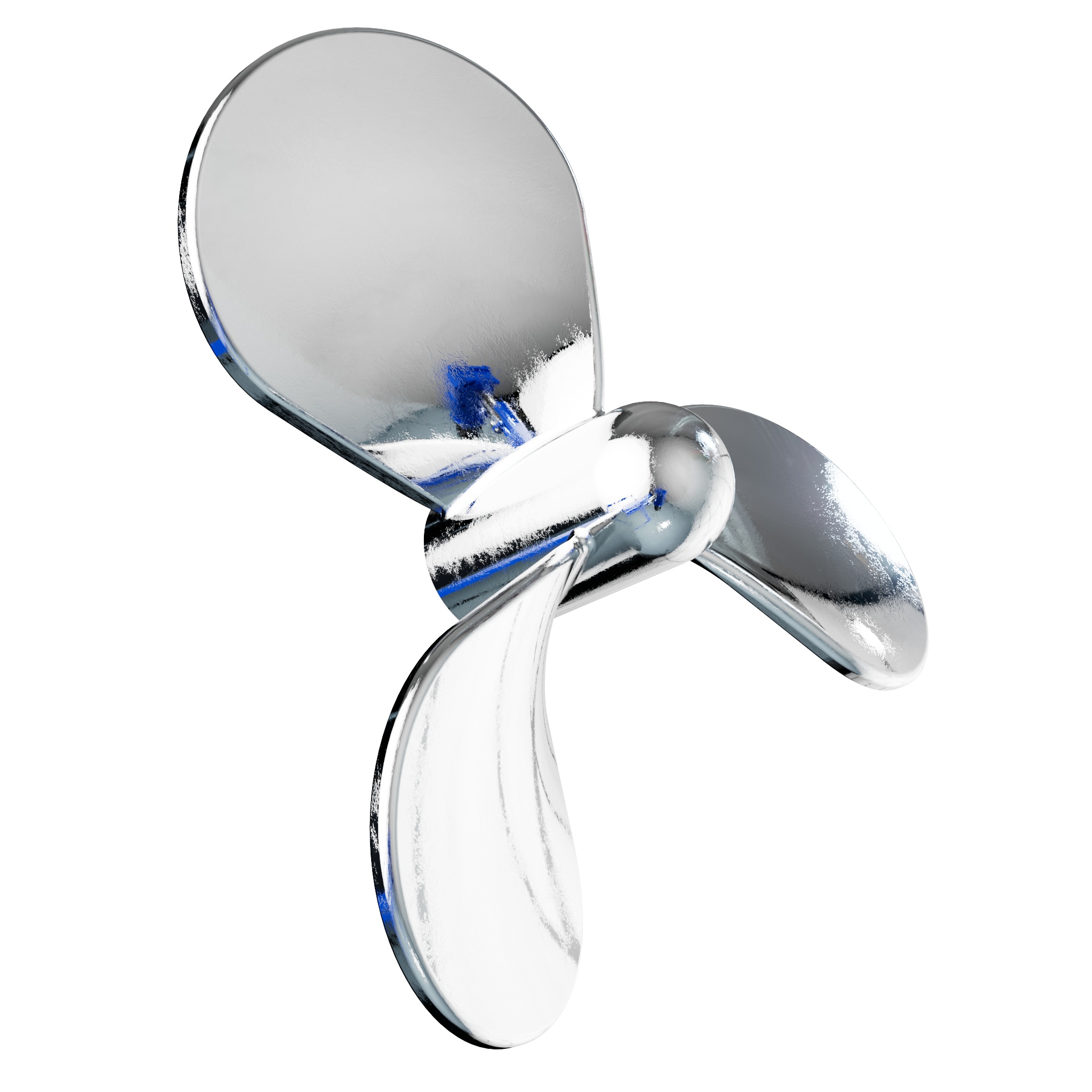
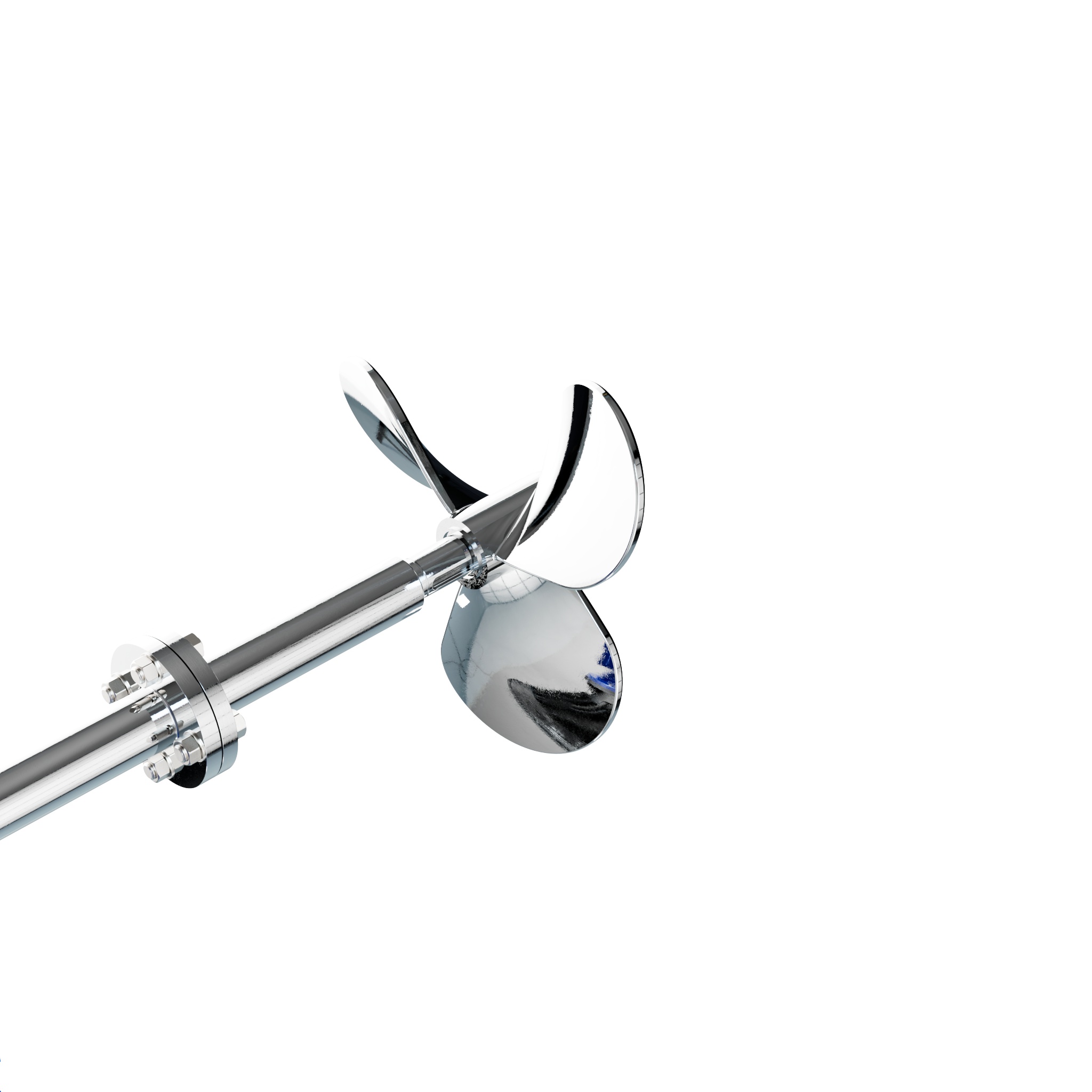
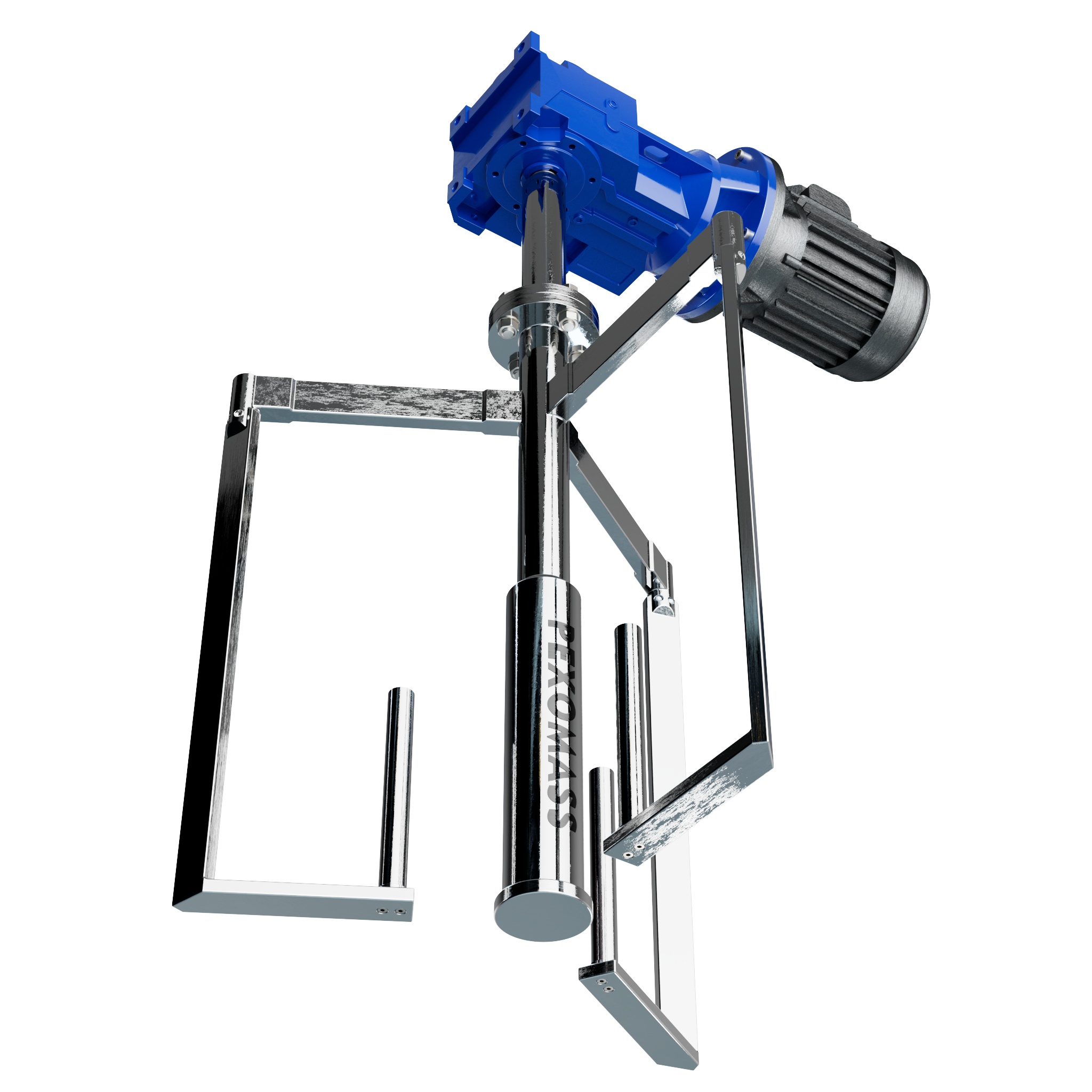
Agitators can handle liquid, gaseous, and solid (e.g., granules, powders) media. They can also work with slurries, suspensions, and highly viscous liquids. However, selecting the appropriate agitator type, sizing, and design for the specific nature of media is crucial. Viscosity and sensitivity to shear stress are essential considerations when selecting an agitator. Agitators are widely used in many industries, including food and beverage, pharmaceutical, agricultural, biotechnology, paint, and water treatment industries
The terms “agitators” and “mixers” are often used interchangeably, but they technically do not mean the same thing. Mixers are equipment that rapidly blends two or more components together. these components may be of the same or different phases (e.g., solid-liquid, liquid-liquid, gas-liquid). When a component enters a mixer, it is often in a “pure” state and leaves combined with other components. On the other hand, agitators maintain homogeneity and equilibrium in an existing mixture. They prevent the formation of concentration and temperature gradients and ensure uniform consistency in a mixture