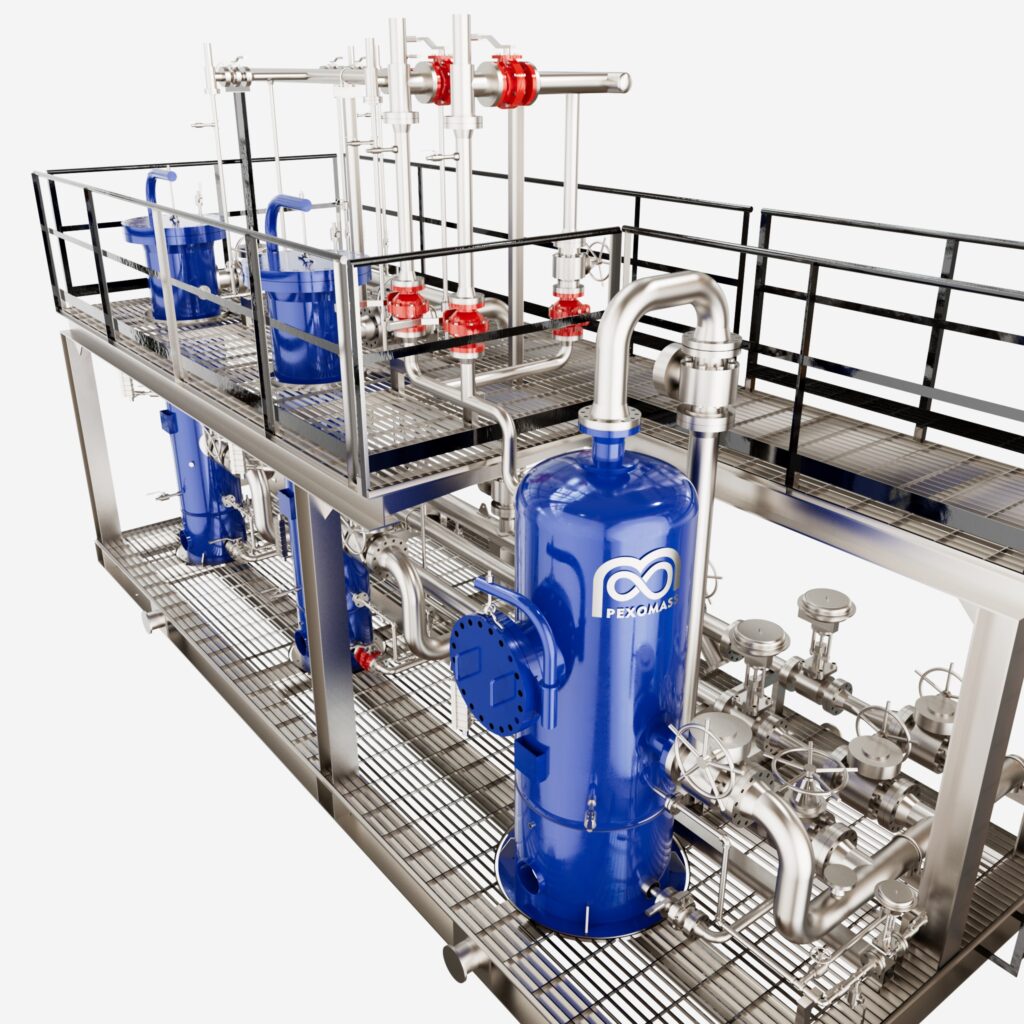
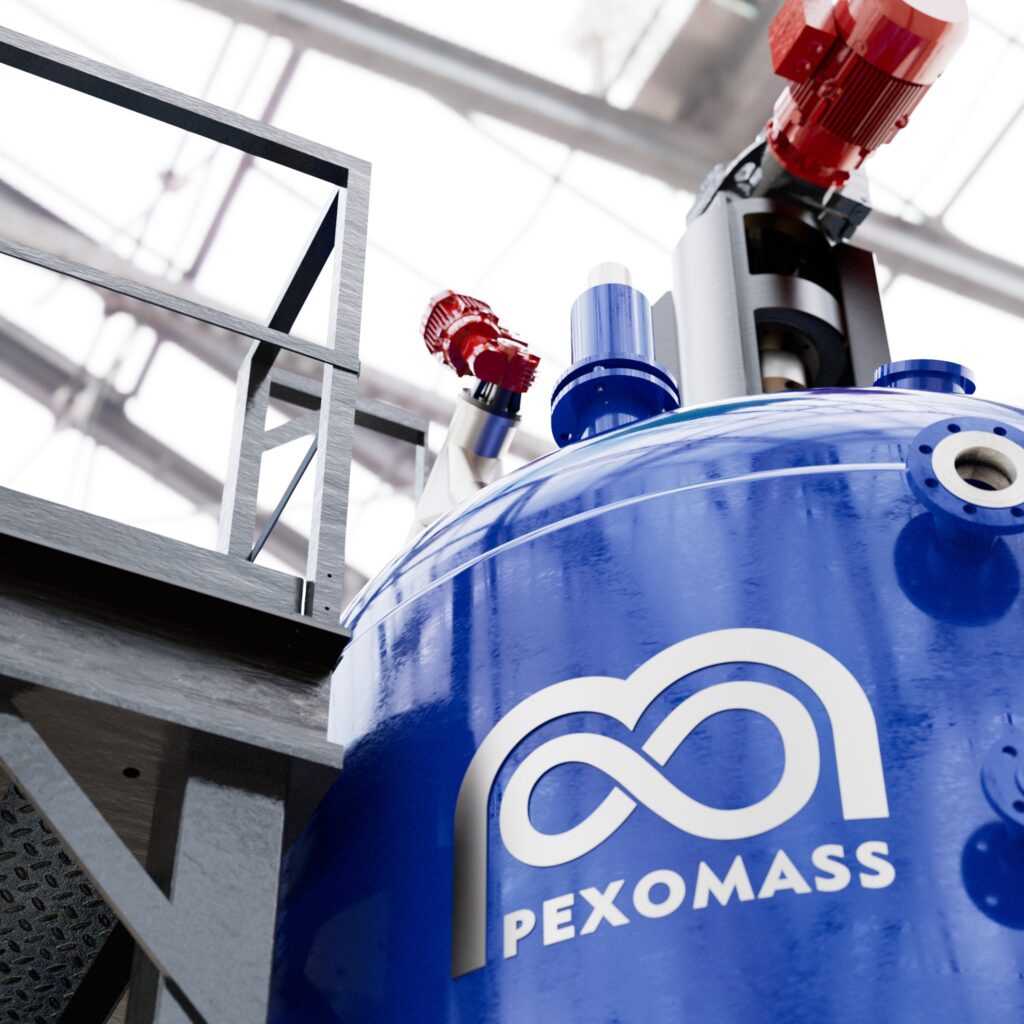
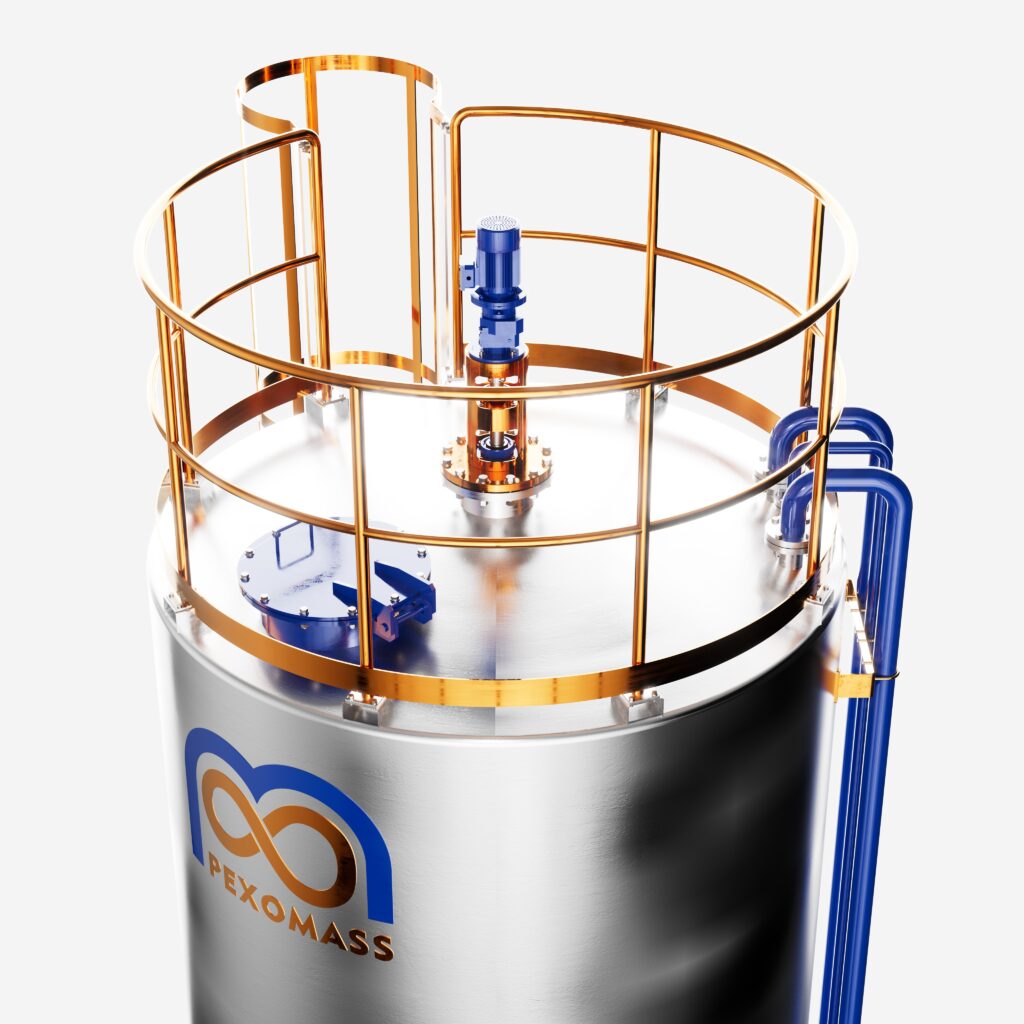
MULTI EFFECT EVAPORATOR (MEE)
A multi-effect evaporator is a type of industrial equipment used for concentrating solutions by
evaporating the solvent (usually water) from a liquid mixture. It utilizes the principle of heat transfer to efficiently remove water or other solvents from a liquid, resulting in a more concentrated solution or a solid product. Multi-effect evaporators are commonly used in various industries, including food and beverage, pharmaceuticals, chemicals, and wastewater treatment.
The term “multi-effect” refers to the fact that these evaporators consist of multiple evaporator vessels, or “effects,” that are interconnected. The heat generated in one effect is used to drive the evaporation process in subsequent effects, increasing energy efficiency. This is achieved through the use of steam or another heat source that transfers heat from one effect to the next.
Operating Principle: Multi-effect evaporators operate on the principle of utilizing the latent heat of vaporization to remove solvent from a liquid mixture. As the liquid is heated, it reaches its boiling point, and the solvent vaporizes. The vapour is then condensed and collected, leaving behind a more concentrated solution or solid product.
Multiple Effects: A multi-effect evaporator consists of multiple stages (effects) arranged in a series. Each effect operates at a lower pressure than the previous one, allowing the liquid to boil at successively lower temperatures. The vapour produced in one effect serves as the heat source for the subsequent effect.
Energy Efficiency: One of the main advantages of a multi-effect evaporator is its energy efficiency. The heat from the vapour generated in one effect is used to drive the evaporation process in the next effect, reducing the need for external energy sources.
Types of Multi-Effect Evaporators:
- Forward-Feed Multi-Effect Evaporator: In this design, the feed is introduced into the first effect, and the concentrated solution flows from one effect to the next in sequence.
- Backward-Feed Multi-Effect Evaporator: The feed is introduced into the last effect, and the concentrated solution flows in reverse order through the effects. This arrangement is often used when scaling up or when dealing with heat-sensitive materials.
- Design Considerations: Multi-effect evaporator design involves considerations such as the number of effects, feed composition, operating pressures, temperature differences, and material compatibility. The design aims to achieve the desired concentration level while minimizing energy consumption.
- Energy Sources: Multi-effect evaporators typically use steam as a heat source. The steam is condensed in each effect, releasing latent heat that drives the evaporation process.
- Vaporation Systems: Multi-effect evaporators are often part of larger evaporation systems that may include other components like condensers, pumps, and separators.
Applications:
- Food and Beverage Industry: Concentration of fruit juices, milk, and other liquid products.
- Pharmaceutical Industry: Concentration of pharmaceutical solutions, extracts, and formulations.
- Chemical Industry: Concentration of chemical solutions and recovery of solvents.
- Wastewater Treatment: Concentration and treatment of industrial wastewater.